For most travellers, Afghanistan is a country viewed only through intense news headlines and strictly restricted borders. But when you travel the rugged bends of the Pamir Highway in Tajikistan, the reality of this mysterious nation sits just a stone’s throw away.
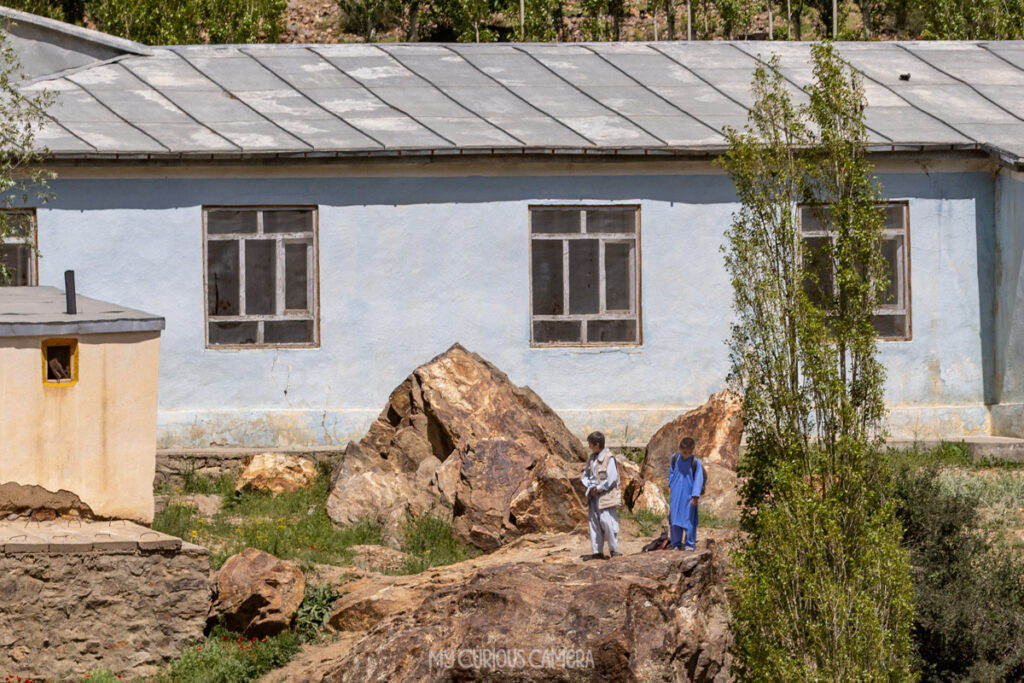
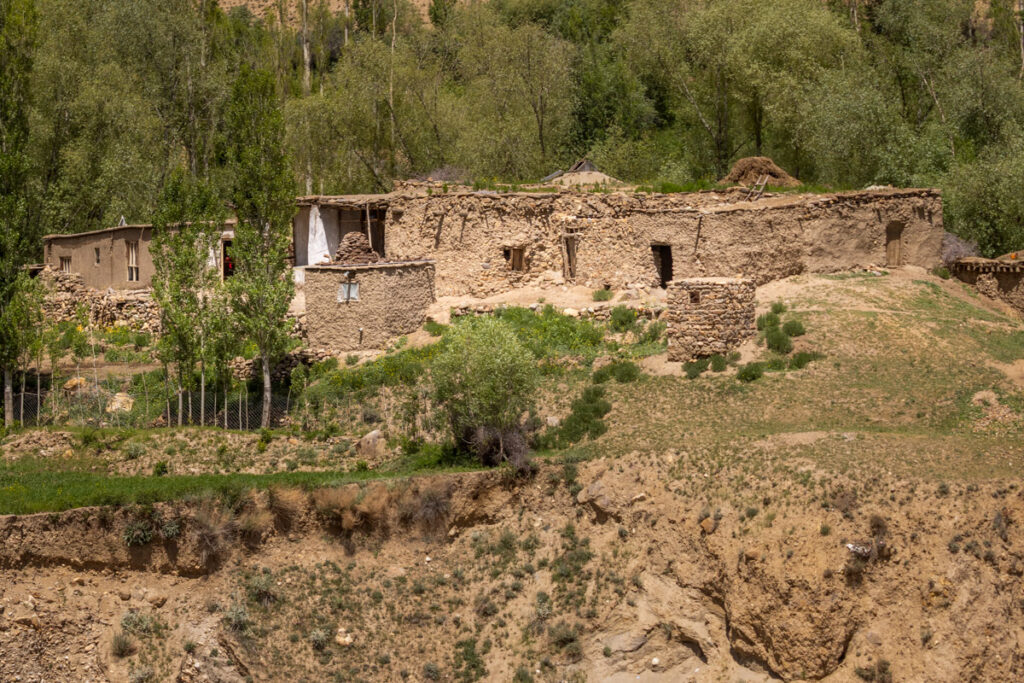
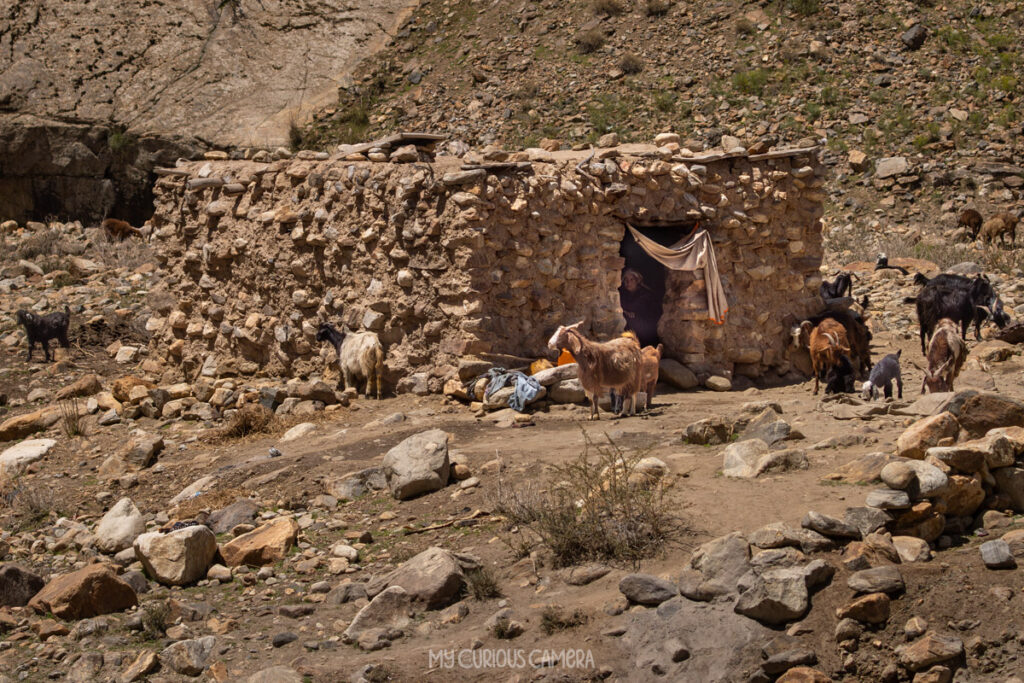
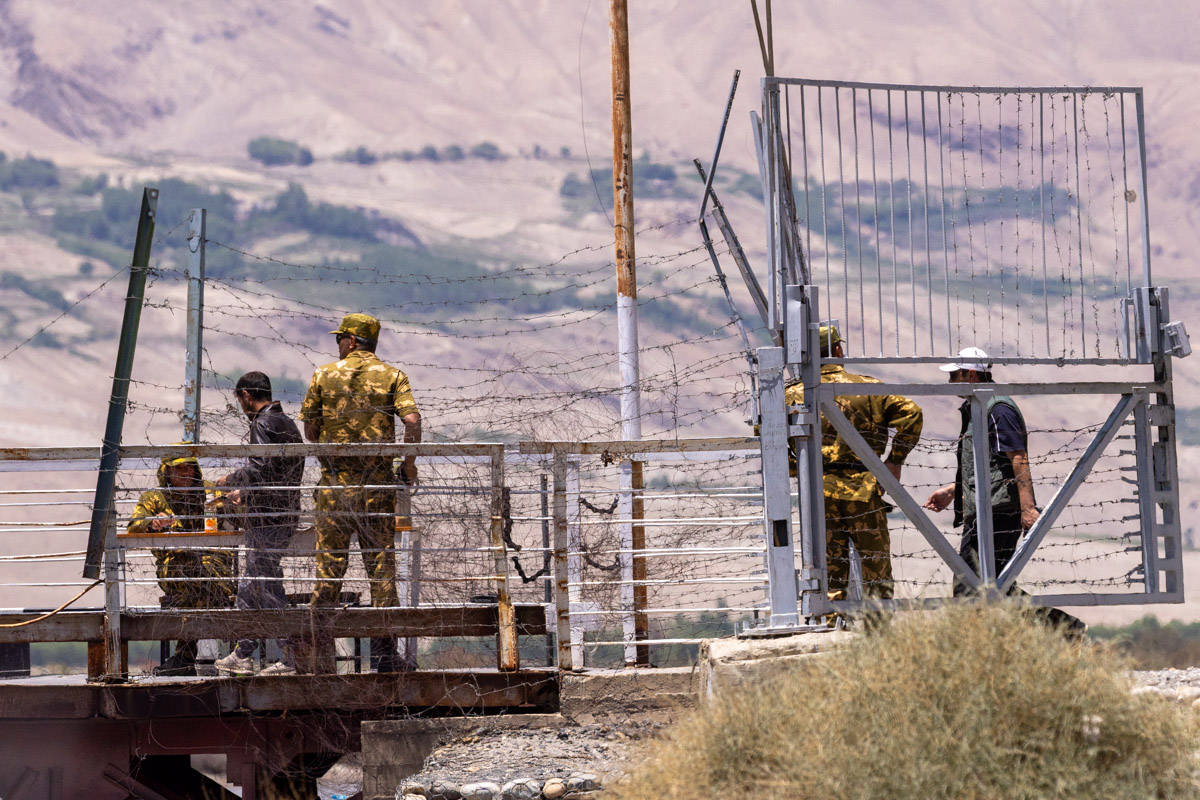
For hundreds of kilometres, rushing waters of the Panj River serve as the only boundary line between safety and the unknown. At times, the river narrows to what feels like only metres, where across the riverbanks, you see the raw, intimate rhythm of timeless Central Asian life.
From watching men pan for gold in the rushing mountain currents to witnessing families navigate vertical cliff paths with packed donkeys, travelling the edge of Afghanistan was the absolute psychological highlight of my journey. Here is what it’s really like to look into a forbidden world.
The Cliff Paths of the Wakhan Corridor
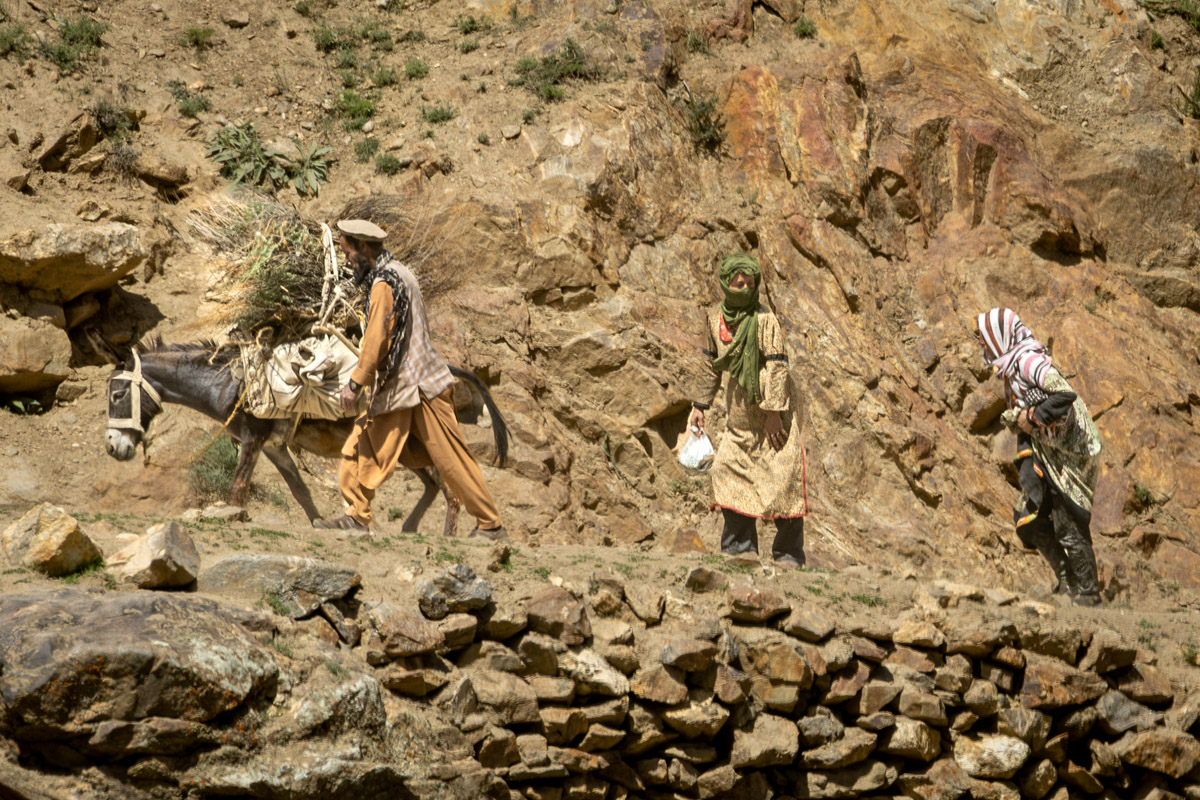
When you look across to the Afghan side of the Panj River, the landscape rises into vertical, punishing walls of sheer rock. There are no paved highways there. Instead, the local population relies on centuries-old, hand-carved ledge trails dangling hundreds of feet above the roaring river gorge.
Locking focus on those distant trails reveals incredibly intimate portraits of life. I watched local families walking shoulder to shoulder, guiding a single donkey loaded high with dried brushwood along a path barely wider than a baseline. Seeing the sheer casual resilience it takes just to move fuel between mountain settlements completely shifts your perspective on what it means to face “difficult things.”
Panning For Gold
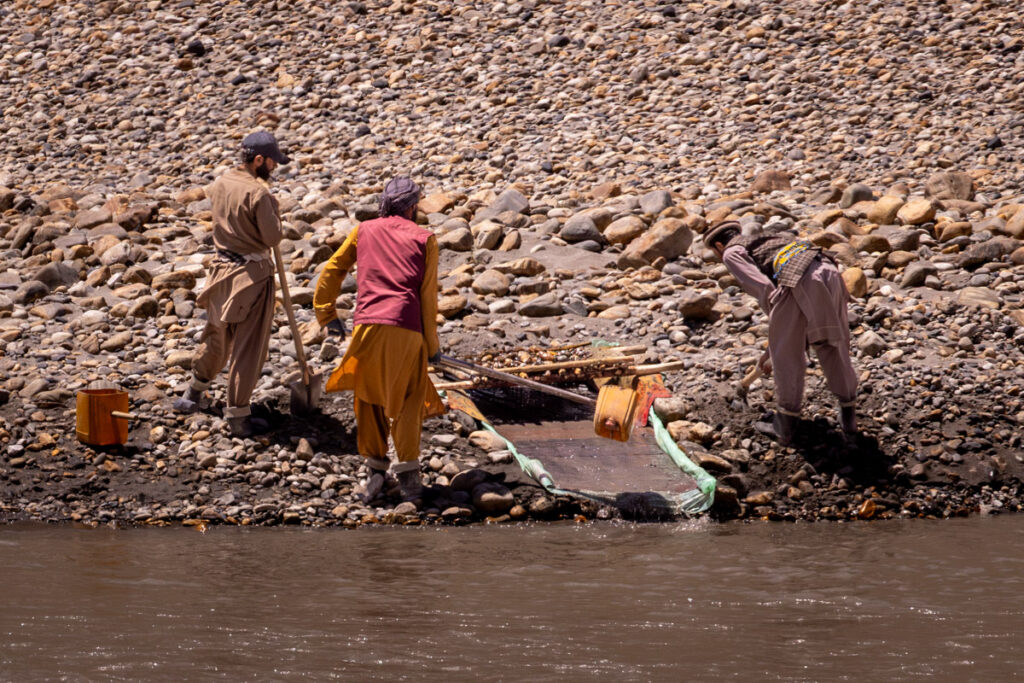
As our vehicle navigated the dirt roads hugging the river gorge, a flash of movement on the rocky shores below caught my lens. Peering through my camera, I watched a small group of local men standing curiously, digging at the river’s edge.
They were panning for gold.
Using manual shovels and primitive wooden mesh screens, these men spend hours under the blazing Central Asian sun, shifting through tonnes of heavy river gravel to catch tiny glints of alluvial gold. It is a gruelling, dangerous way to make a living on the literal edge of the world, and capturing their raw grit against the massive backdrop of the mountains was a profoundly humbling photographic experience.
The Cross-Border Saturday Market: A Confluence of Cultures
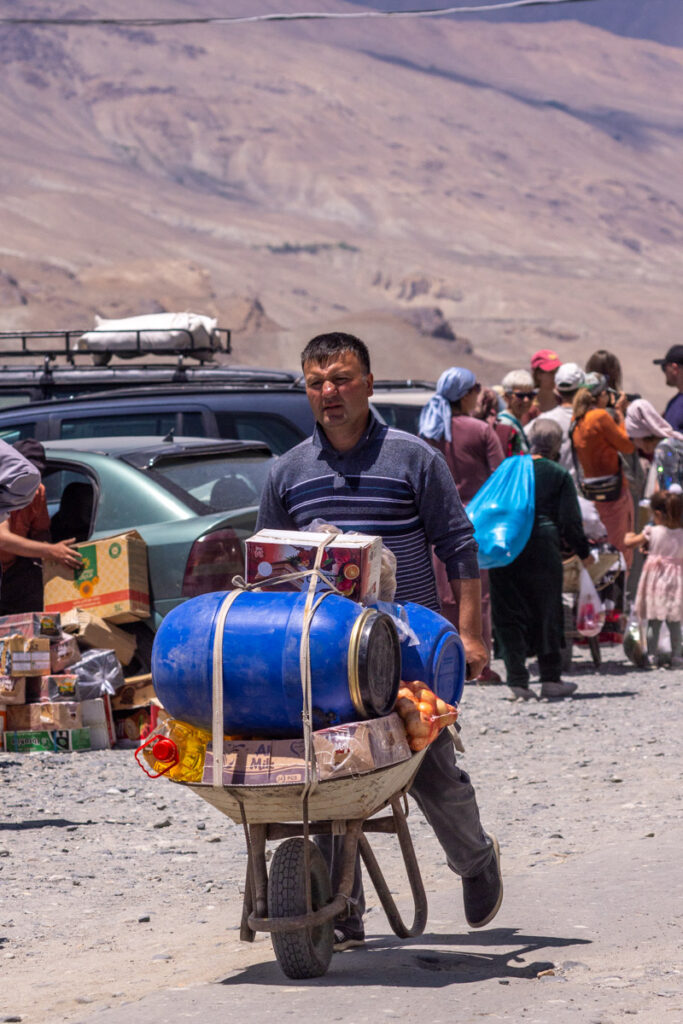
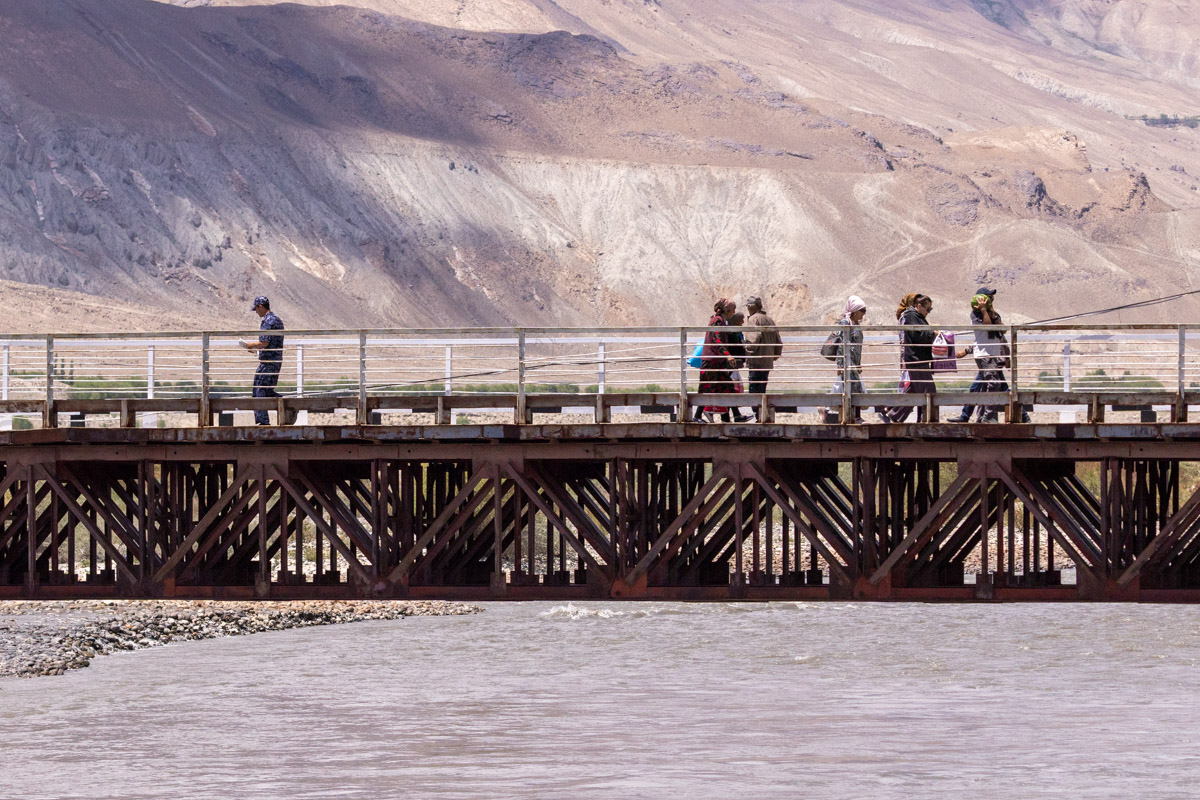
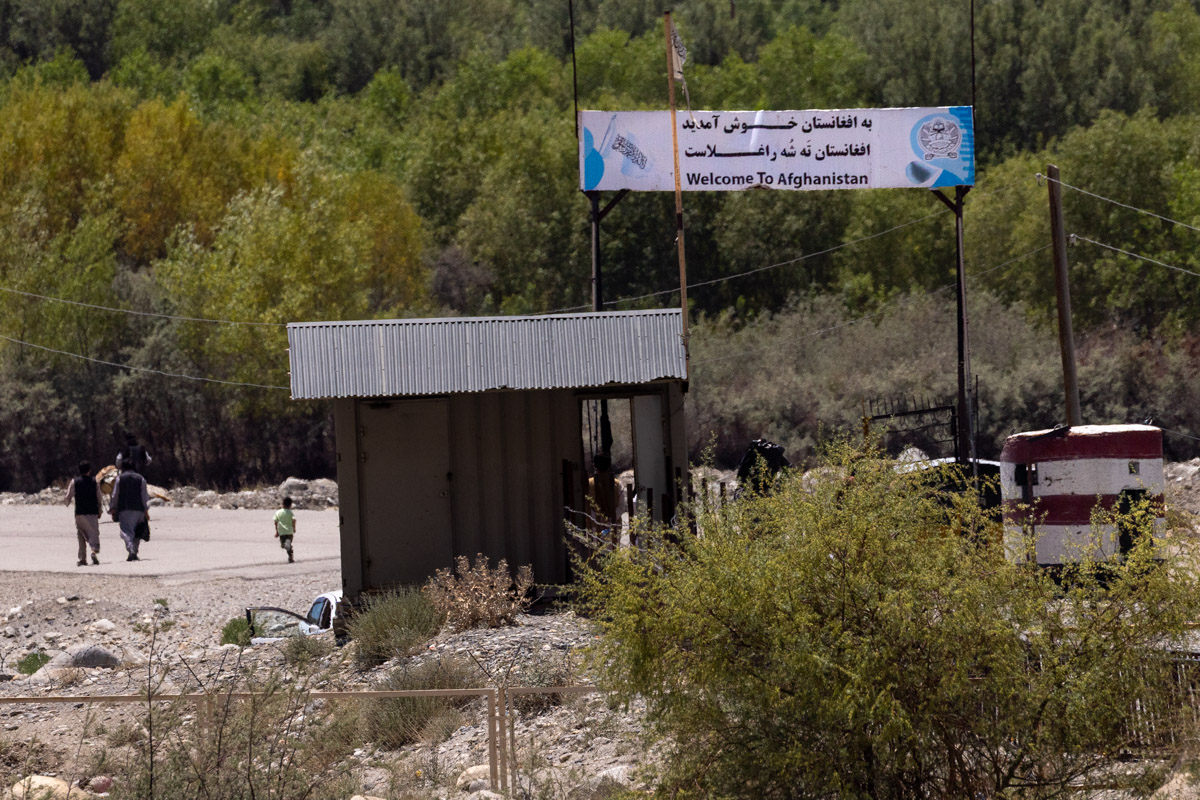
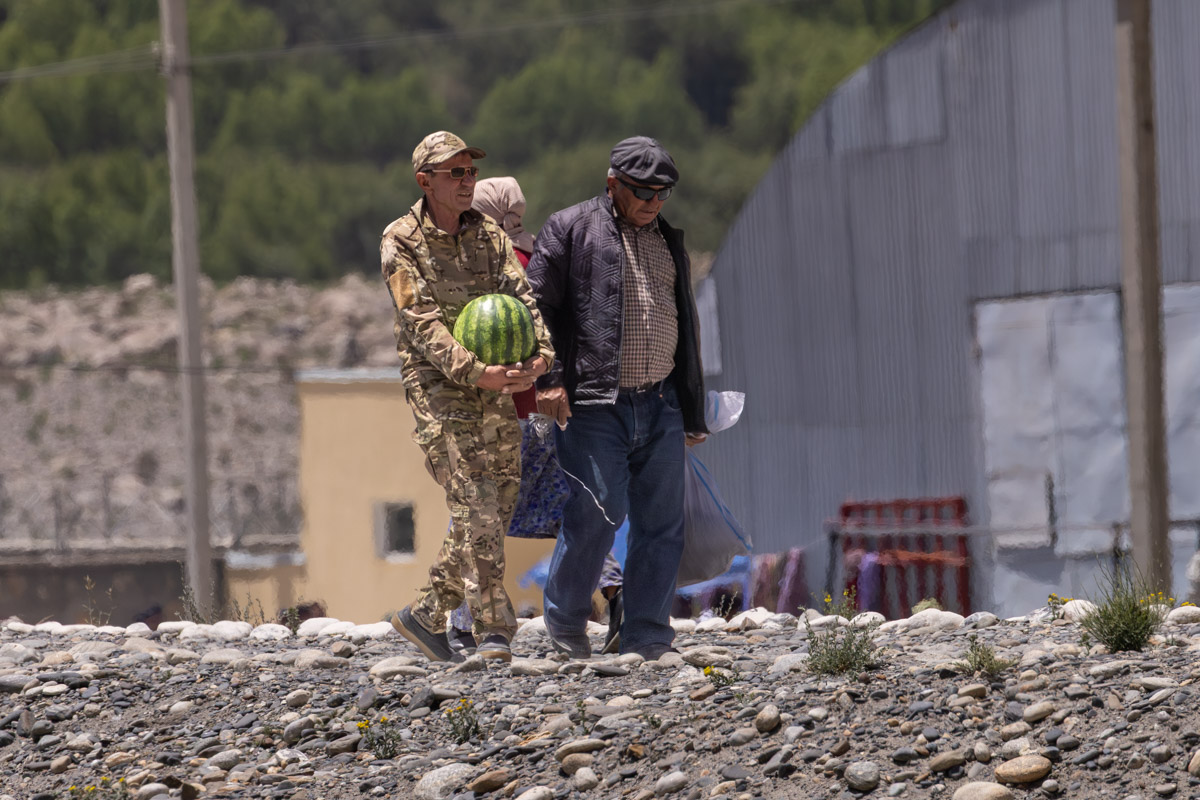
The ultimate cultural handshake along the border happens at the weekly cross-border markets, where the strict divides between nations briefly soften for commerce. While local security dictates the shifting schedules, standing on the edge of these trading grounds is an absolute sensory overload.
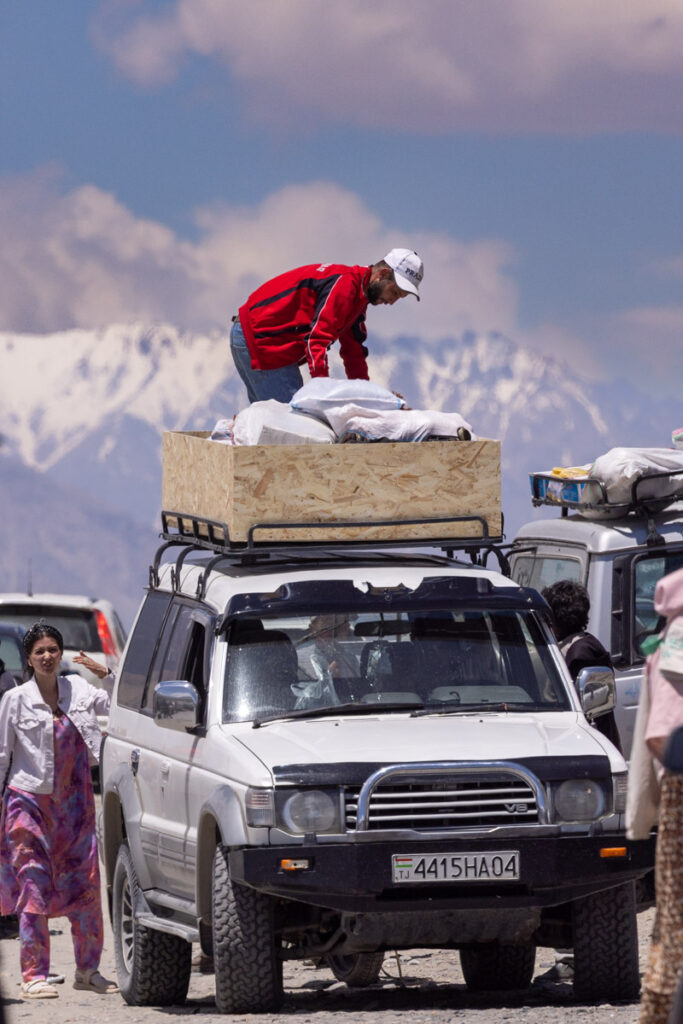
Watching the logistics unfold is an adventure in itself. Tajiks and passing traders arrive in heavily packed overland 4×4 vehicles, stacking massive cargo sacks and trade wares precariously high onto custom roof box frames. The atmosphere is thick with the scent of spices, the bartering of textiles, and the shared energy of independent merchants who have relied on these Silk Road mountain passes for generations.
Long after leaving the river gorge, the sights and sounds of the frontier linger. This living ecosystem of resilience, where modern politics meets ancient survival, stays with you.
Watching these communities find a way to trade, endure, and smile across a roaring chasm is a powerful reminder of why we travel to the edges of the map.
If you are planning your own overland trek along the Pamir Highway, prepare yourself for an absolute sensory overload because looking into this forbidden world doesn’t just change your travel itinerary; it permanently alters your perspective.