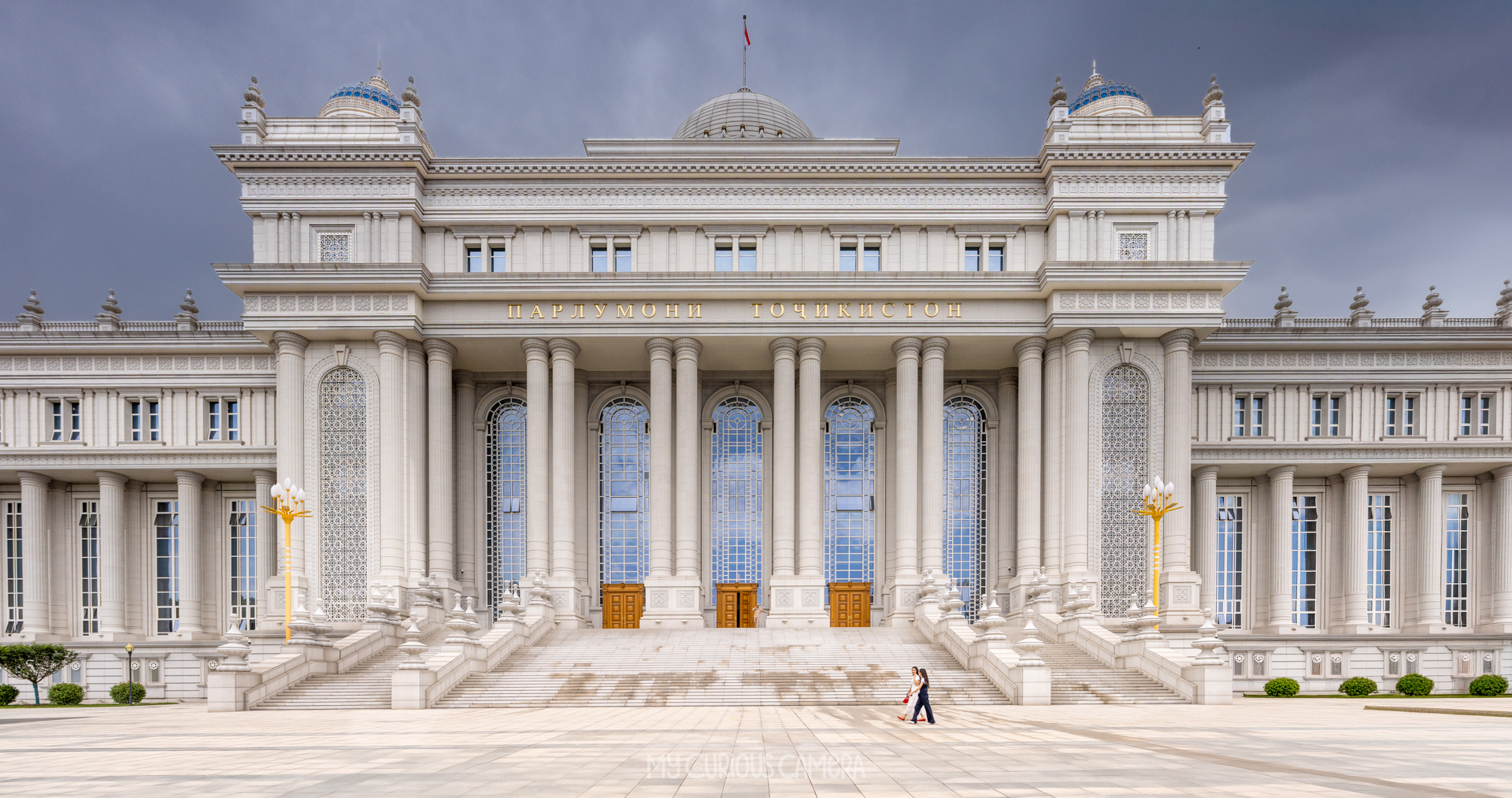
Tajikistan Parliament Building located on Rudaki Avenue in Dushanbe

I thought I was prepared for Tajikistan.

I’d spent five months learning Russian. I packed crisp US dollars. I expected faded Soviet apartment blocks, a Russian-speaking population and a country still finding its feet after the collapse of the Soviet Union.

My research, it turned out, was decades out of date.

Instead, I arrived in Dushanbe to find streets that shimmered with gold, immaculate parks, grand monuments and beautifully dressed locals. Russian was certainly spoken, but Tajik was the language people were proud to use. More than anything, I found a nation rediscovering its identity, one rooted not in its Soviet past, but in a Persian heritage stretching back thousands of years.

Dushanbe wasn’t just different from what I’d imagined; it completely rewrote my first impression of Tajikistan.

City of Monuments

Everywhere we looked, there was another monument celebrating independence, Persian heritage or national pride…look out for these on your visit:

  • National Museum
  • Giant Buddha
  • Navruz Palace
  • Independence Monument
  • Rudaki Park
  • Ismail Samani
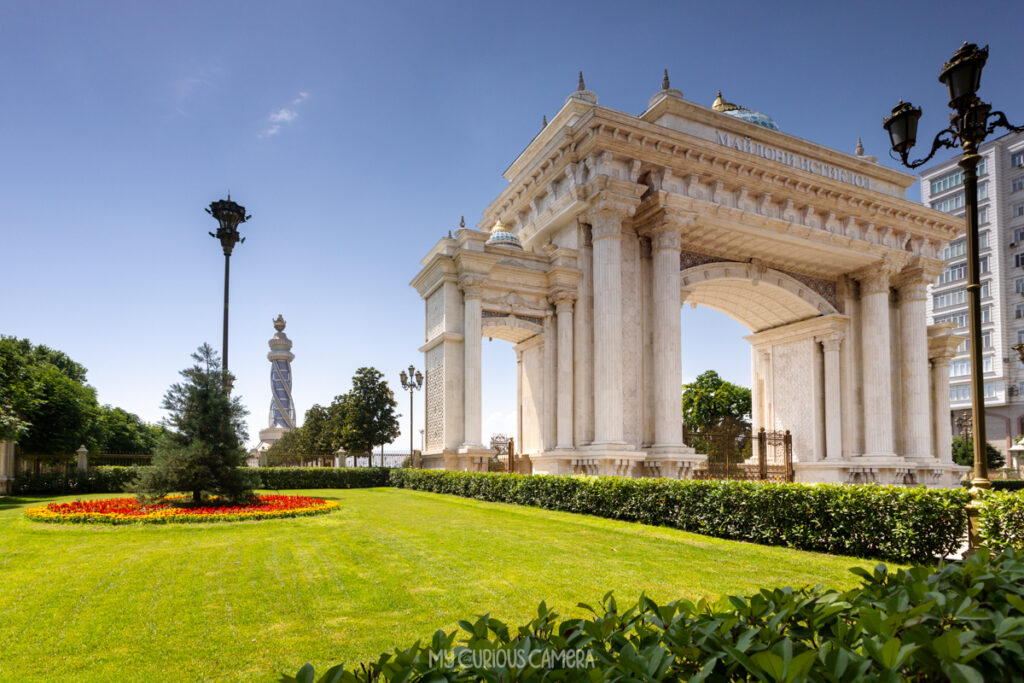
Independence and Freedom Monument located in Rudaki Park The facade features massive columns and includes stone materials symbolising wealth and prosperity
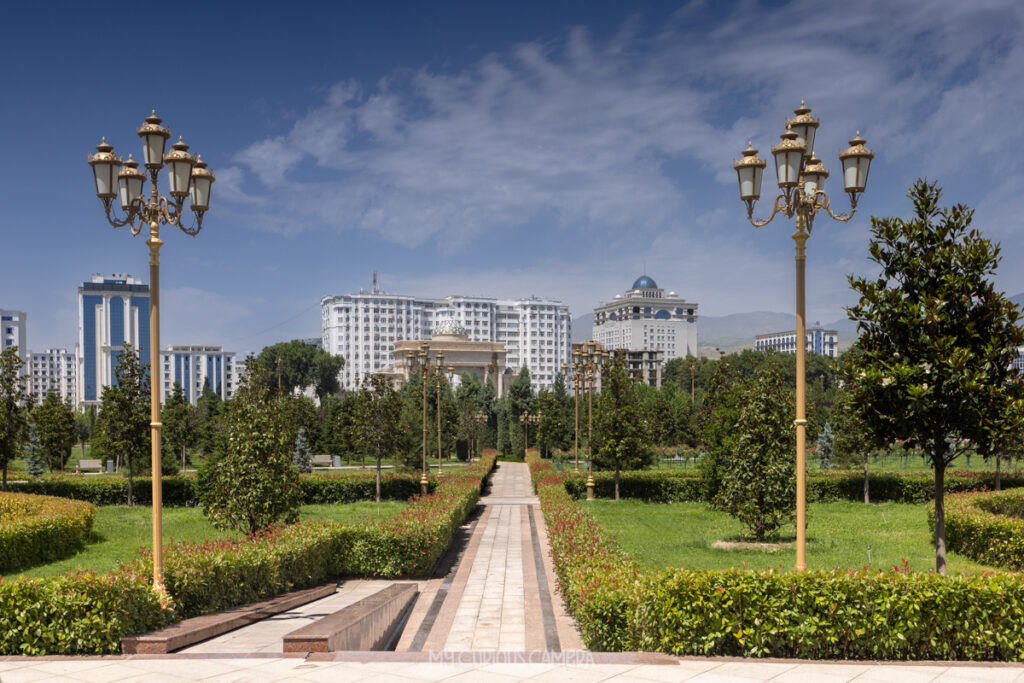
Alisher Navoi Park, recognizable by the beautiful central paved walkway, distinct golden streetlamps, and the white residential and government buildings framing the background skyline.
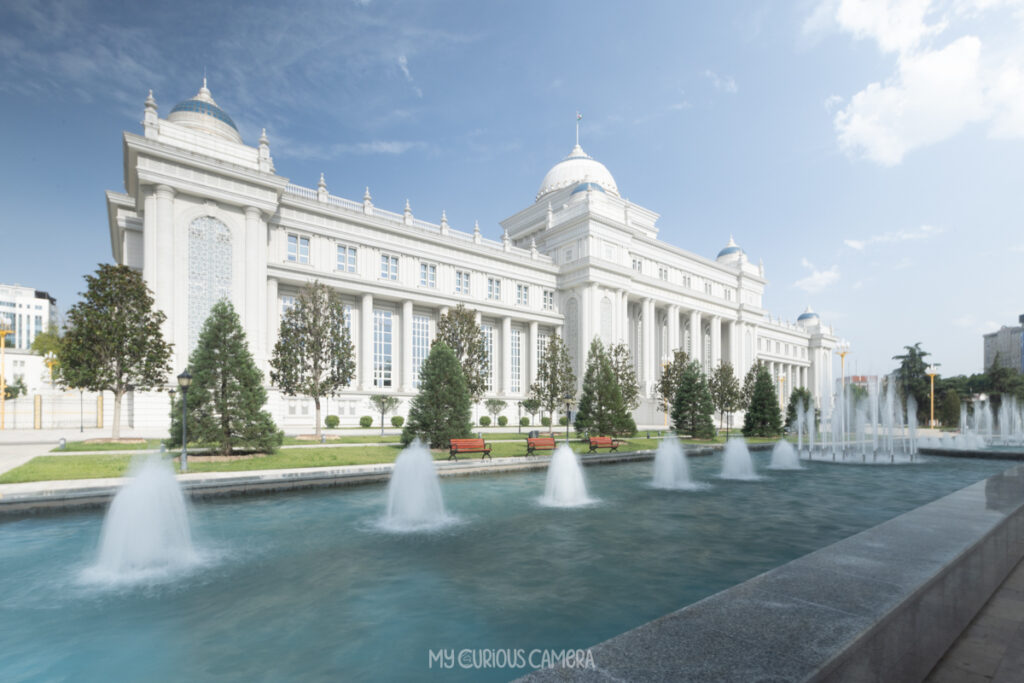
⁠Parliament of the Republic of Tajikistan (Majlisi Oli complex) located on Rudaki Avenue in central Dushanbe
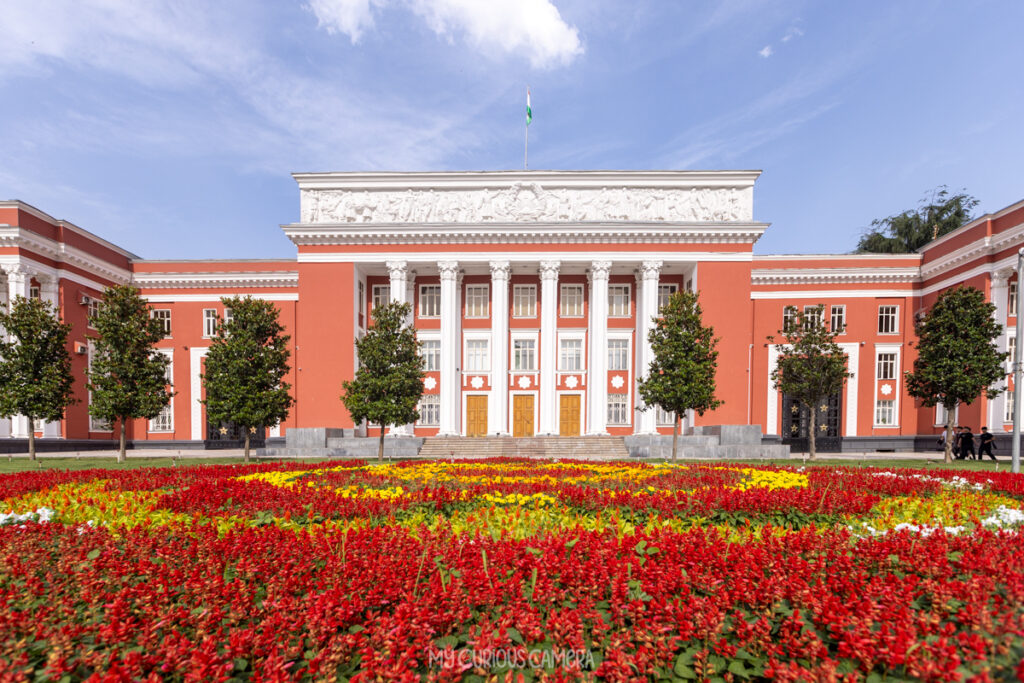
This building is the former ⁠Parliament House of Tajikistan (the former Supreme Soviet building), located directly on Dousti Square (Friendship Square) in central Dushanbe. Built in the classical Soviet neoclassical style with a distinct terracotta-orange facade and white columns, it served as the home of the country's legislature for decades.
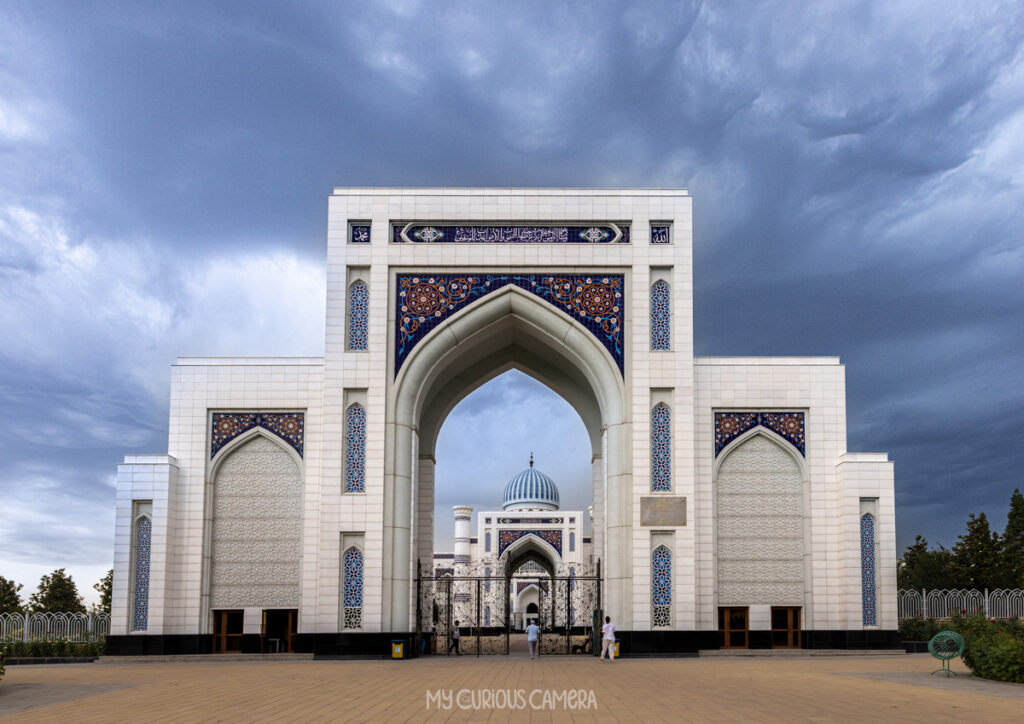
This is the ⁠Central Cathedral Mosque of Dushanbe, also frequently referred to as the Imam Abu Hanifa Grand Mosque. It is located in the northern suburbs of the city and has a maximum total capacity of 115,000 to 133,000 worshippers simultaneously.
⁠Central Cathedral Mosque of Dushanbe, (Imam Abu Hanifa Grand Mosque). It is located in the northern suburbs of the city and has a maximum total capacity of 115,000 to 133,000 worshippers simultaneously.
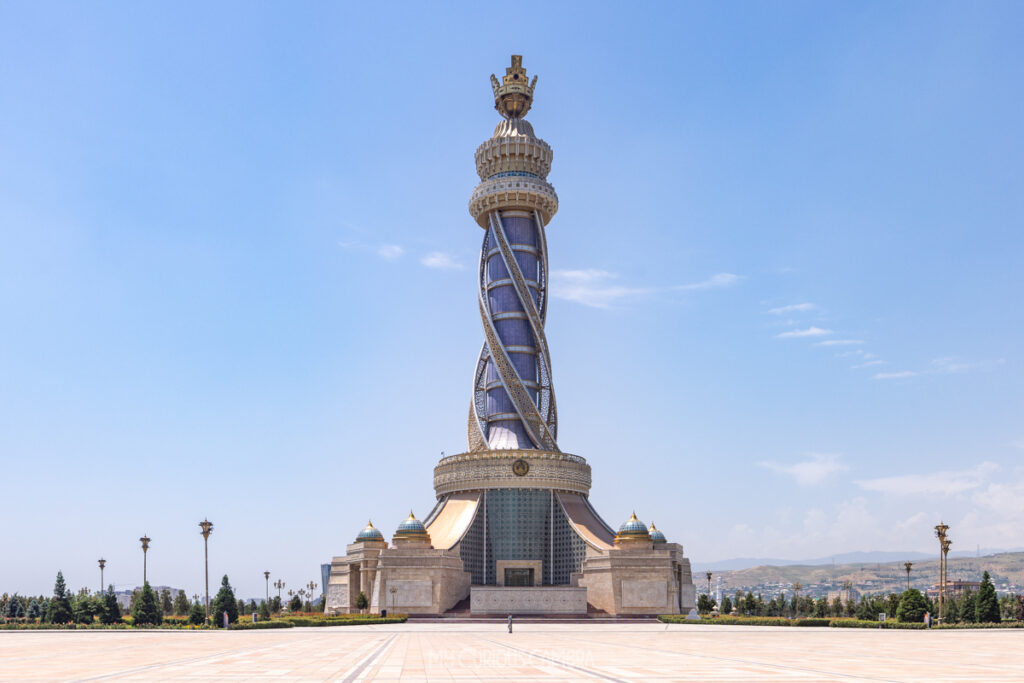
The spectacular Istiklol (Independence) Monument, located inside the sprawling ⁠Istiklol Square complex in central Dushanbe.
Istiklol (Independence) Monument, located inside the sprawling ⁠Istiklol Square. The tower stands at a symbolic height of 121 meters with an observation Deck on the 14th floor you have vast views over the city.
Taking Time For Traditional Tea

Travelling to me means embracing the local culture. We stopped for well-deserved refreshments at a local tearoom for a traditional lunch. (TajPlov)

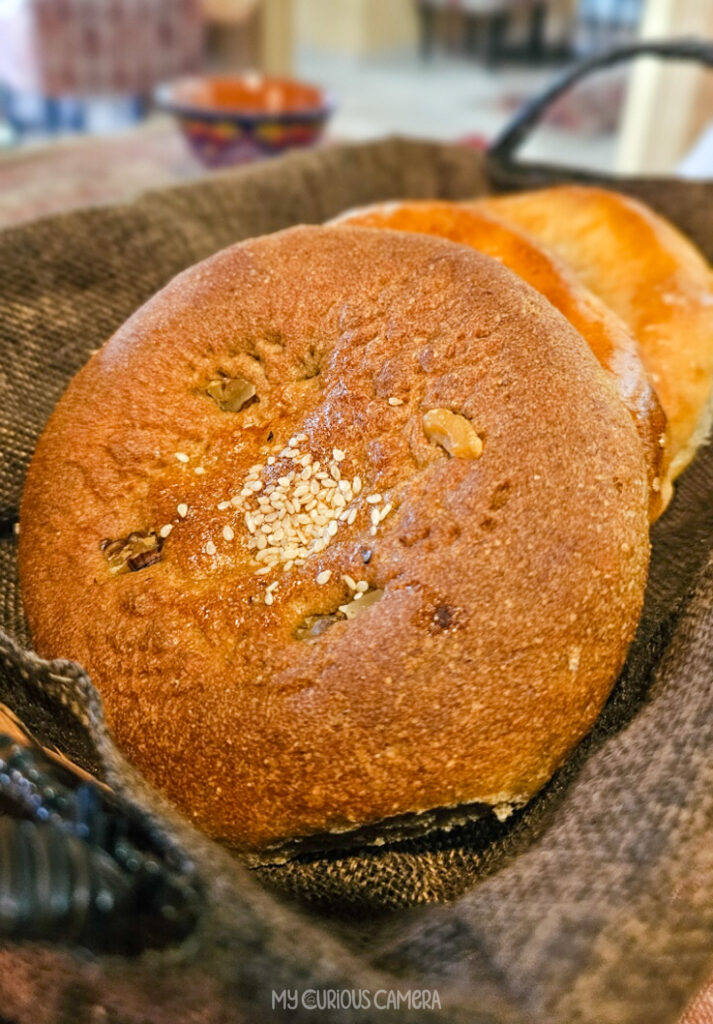
In Tajikistan, bread (non or obi-non) is a sacred staple and a profound symbol of hospitality. Tajiks consider it the purest sustenance; a local adage states that if a table has meat and sweets but no bread, there is no food.

We ate plenty of bread on this trip!

Traditional Bread
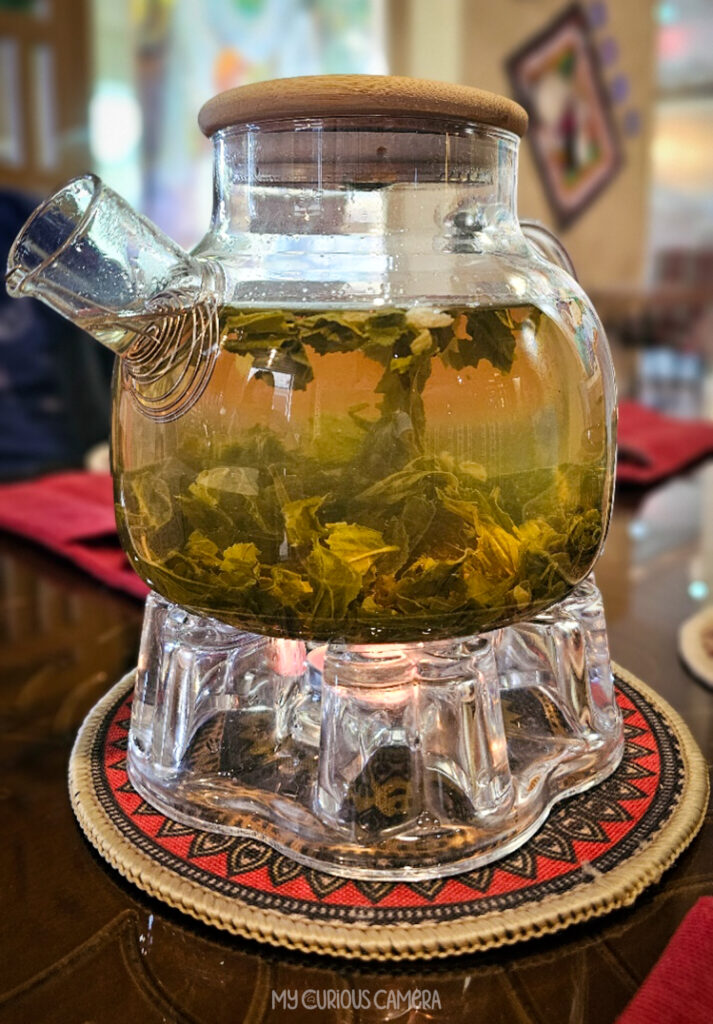
Green Tea in a traditional pot with warmer
History and Culture

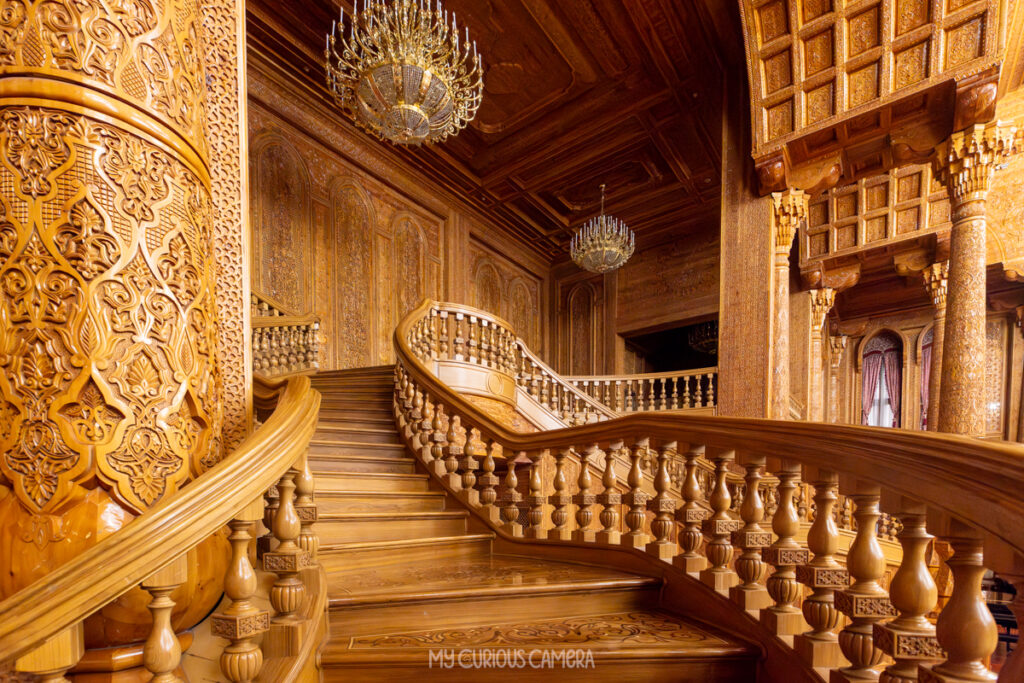
Built as a place for state receptions, every room in Navruz Palace showcased extraordinary craftsmanship. Intricate timber carvings, hand-painted ceilings, marble, crystal chandeliers and colourful mosaics reflected the remarkable artistic traditions of the Tajik people. It was impossible not to stand in awe of the attention to detail.

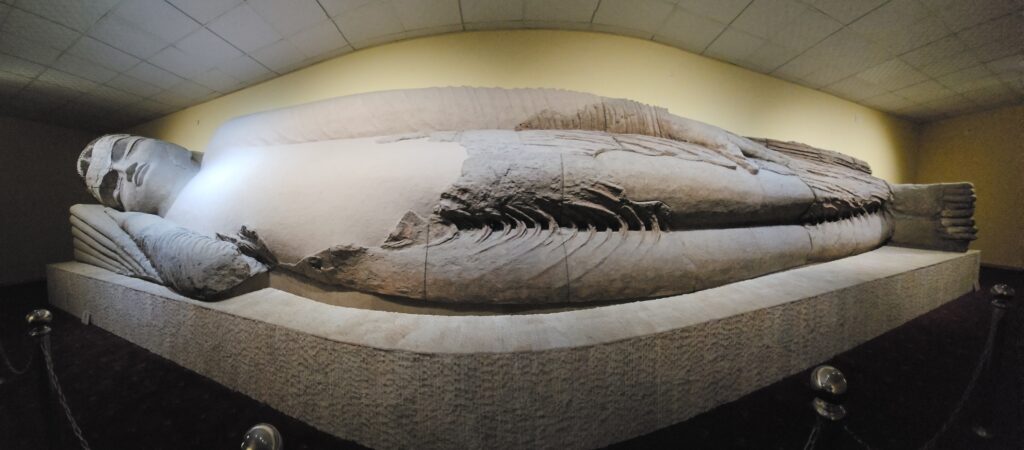
At the National Museum of Antiquities, home to one of Central Asia’s greatest archaeological treasures, a magnificent 13-metre reclining Buddha, our charming and witty guide, The Professor, explained that the statue dates from the 7th century, and is a reminder that Buddhism flourished here long before Islam became the dominant religion.

This is the breathtaking grand wooden staircase inside the ⁠Navruz Palace (also known as Kokhi Navruz)
Seven metres of peaceful serenity, discovered beneath an ancient monastery. A reminder that Buddhism once flourished in a country now known for its Islamic traditions.
Traveller's Tips

Currency
The official currency is the Tajikistani Somoni (TJS). Cash is still king, and many smaller businesses prefer it over credit cards. US dollars are easily exchanged at banks and exchange offices, but only if the notes are crisp, clean and undamaged. If you’re exchanging a larger amount, you’ll usually receive a slightly better rate.

Water
Avoid drinking tap water. Bottled water is widely available, but if you’re travelling extensively, a reusable bottle with a quality filter, such as a Water-to-Go bottle that removes bacteria and viruses, is an excellent investment.

Toilets
One cultural difference worth noting is that used toilet paper is often placed in the small bin beside the toilet rather than flushed. This is common throughout much of Central Asia due to older plumbing systems.

Clothing
Dushanbe is a modern city, and you’ll see people dressed in contemporary clothing. However, modest, respectful attire is appreciated, particularly when visiting religious or government sites.

Food
Food lovers will be pleasantly surprised. Alongside traditional Tajik dishes, Dushanbe has a growing café culture with excellent coffee, fresh pastries and even almond and coconut milk available in many cafés. I enjoyed Moose coffee, which was close to our hotel.

Traditional tea houses are a must-visit and offer an authentic glimpse into local hospitality.

One word of caution: I’d personally avoid uncooked salads. Despite being washed, the greens didn’t agree with my stomach, and I spent the next two days feeling decidedly less adventurous.

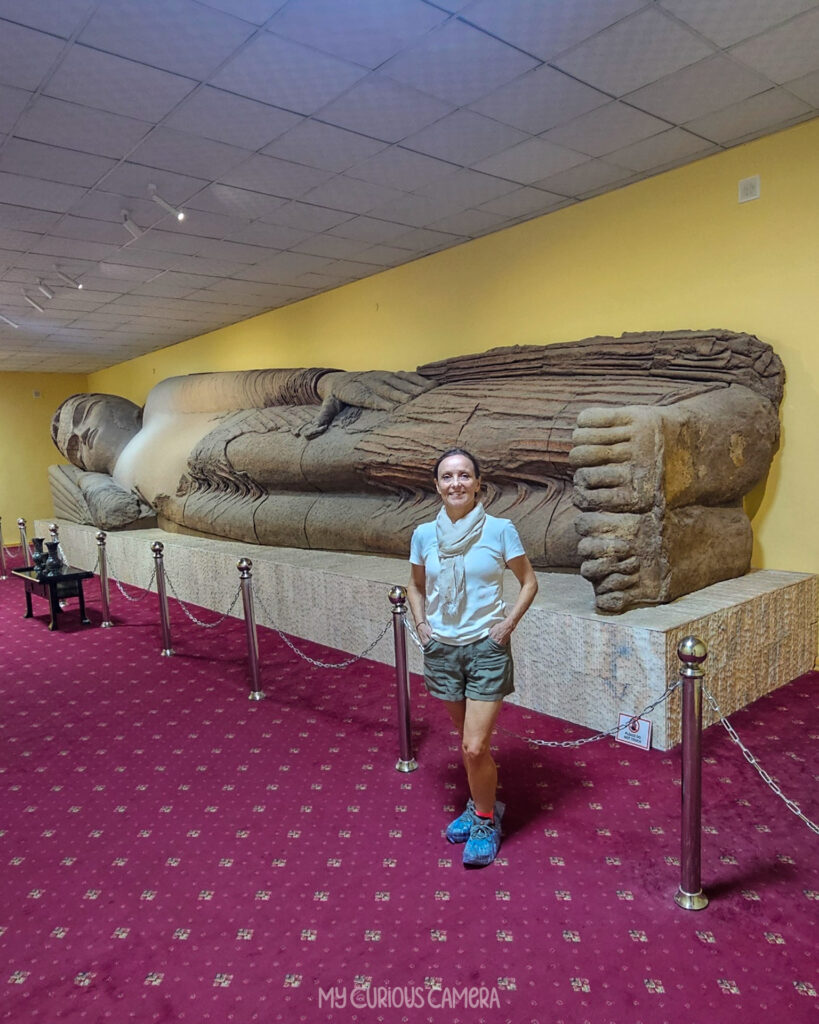
Nina (the author) standing in from of the giant Buddha

📷 Through My Curious Camera

The biggest surprise? I arrived expecting a former Soviet republic. I left understanding that Tajikistan proudly identifies with a history that stretches back thousands of years before the Soviet Union even existed.

The next day, we left the polished boulevards behind for the Pamir Highway, where Tajikistan would surprise me all over again. Stay tuned for more.

On the left…Me in front of the giant Buddha. I was well packed for our trip along the Pamir Highway and hiking in the mountains, but completely unprepared for the gorgeous city of Dushanbe. I wish I had packed a set of city clothes.

You Might Also Like

Woman traveller sitting on the beach and smiling

Leave a Reply

error: Content is protected !!